

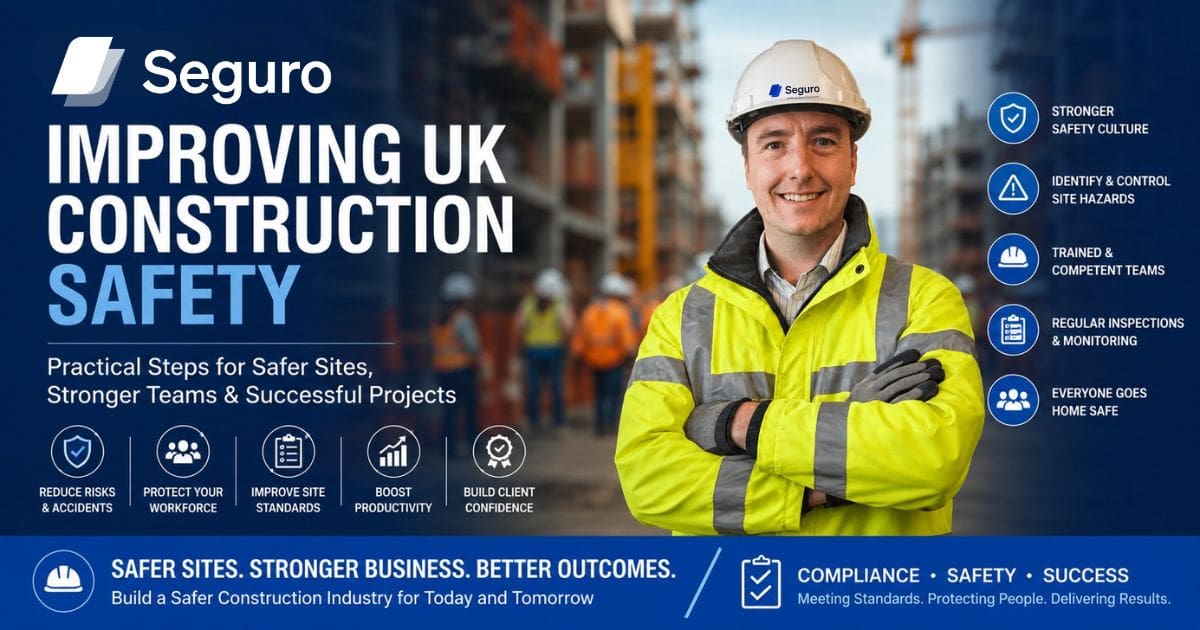


Improving UK construction safety
How to improve safety in construction is the question. Creating a strong safety culture is a good starting point with shared responsibility:
- Every team member, from site managers to operatives, must understand their role in keeping the site safe.
- Open communication, regular safety briefings, and visible leadership commitment encourage workers to report hazards without fear.
- Practical, ongoing training reinforces safe behaviours, turning compliance into everyday practice.
Over time, this culture reduces accidents, improves morale, and builds trust across the workforce.
Benefits of Improving UK construction safety, Prioritising Safety Productivity, Morale, and Trust
Prioritising safety delivers measurable benefits beyond simply reducing incidents. Sites with robust safety practices often see higher productivity because work can proceed without delays caused by accidents or near misses.
Team morale improves when workers feel valued and protected, fostering loyalty and collaboration. Clients and contractors gain confidence in your operations, enhancing your reputation in the competitive UK construction sector. Ultimately, safety becomes a strategic advantage that supports project success and long-term growth.
Taking Steps to Improve Safety Today
Investing in SSIP accreditation and engaging professional safety advisors is a crucial first step. Start by:
- Conducting thorough risk assessments and site inspections
- Integrating safety planning from project inception
- Delivering practical, ongoing training tailored to site needs
- Encouraging open communication and reporting of hazards
- Leading by example to reinforce safe behaviours
Continuous improvement is key. Even small steps, like updating toolbox talks, reviewing near misses, or involving teams in safety discussions, can have a significant impact on overall site safety.
Accepting the inherent risks of construction doesn’t mean accepting harm, with expert guidance, practical processes, and a strong safety culture, every site can move closer to zero harm.
Conclusion
Improving UK construction safety by building safer construction sites in the UK requires more than regulatory compliance, it demands a culture where safety is embedded into every task, decision, and interaction. SSIP accreditation, HSE aligned practices, and dedicated safety advisors help transform safety from paperwork into real world impact.
By prioritising people, communication, and continuous improvement, construction teams can protect their workforce, boost productivity, and raise the bar for safety across the industry.

Frequently Asked Questions
How can construction companies improve site safety?
Construction companies can improve site safety by carrying out thorough risk assessments, completing regular site inspections, delivering practical safety training, encouraging hazard reporting, using toolbox talks and ensuring site managers lead by example. For more information, go to Construction Health and Safety Consultant: Complete Guide for UK Contractors
Why is safety culture important in construction?
A strong safety culture helps everyone on site understand their role in keeping people safe. It encourages open communication, improves hazard reporting, supports safer behaviours and helps reduce accidents, near misses and unsafe working practices.
What are the benefits of improving construction safety?
Improving construction safety can reduce accidents, improve productivity, boost workforce morale, build client confidence and strengthen a contractor’s reputation. Safer sites are often better organised and less likely to suffer delays caused by incidents.
How do risk assessments improve construction site safety?
Risk assessments help identify hazards before work starts and set out suitable control measures. They allow construction teams to plan work safely, reduce foreseeable risks and ensure workers understand how tasks should be carried out.
How does training help improve safety in construction?
Training helps workers understand site hazards, safe systems of work and their responsibilities. Ongoing training reinforces safe behaviour, supports compliance and helps turn health and safety procedures into everyday working practice.
What role does SSIP accreditation play in construction safety?
SSIP accreditation helps demonstrate that a contractor has suitable health and safety systems in place. It can support safer working practices, improve documentation standards and give clients confidence that risks are being managed.
Why should construction businesses review near misses?
Reviewing near misses helps businesses identify weaknesses before a serious accident occurs. It allows construction teams to improve controls, update procedures and prevent similar incidents from happening in the future.
What is the best way to start improving construction safety?
A good starting point is to review current risk assessments, inspect site conditions, update toolbox talks, involve workers in safety discussions and ensure managers actively promote safe working practices.