


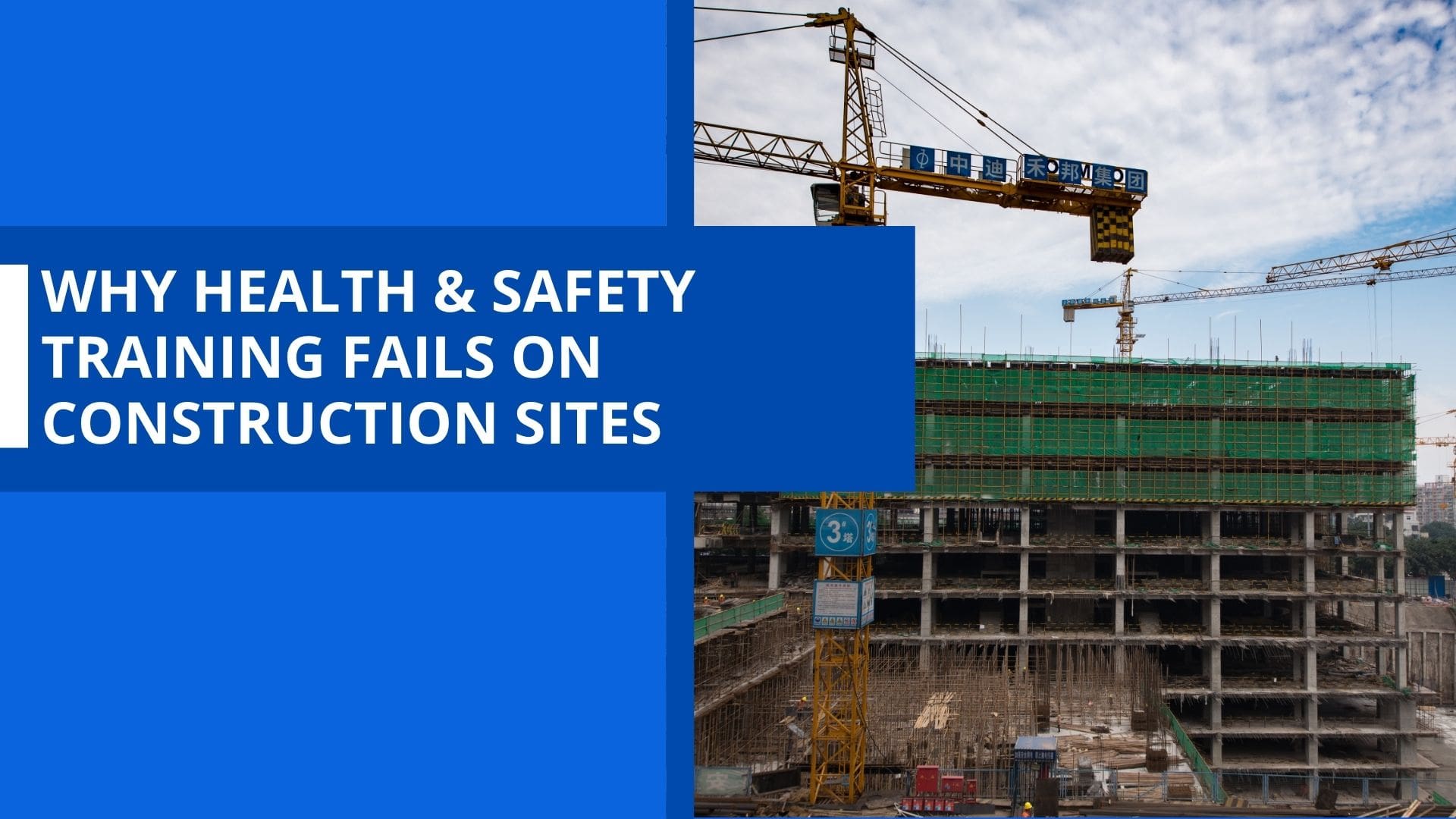


Why Health & Safety Training Fails on Construction Sites — And How eLearning Is Changing It
In the construction industry, Health & Safety isn’t optional, it’s critical.
Yet despite ongoing training, incidents still happen. Near misses go unreported. Procedures get forgotten.
Why?
Because most traditional training isn’t designed for how construction actually works.
A typical scenario, operatives pulled off site, sat in a room, run through slide decks, and asked to sign a register.
Compliance achieved.
But safer behaviour? Not guaranteed.
Because in construction, what people remember on site matters far more than what they hear in a classroom.
eLearning is transforming how Health & Safety is delivered across construction, making training more relevant, accessible, and effective in real working environments.
1. Built for Site Based Work
Construction doesn’t happen at desks.
With multiple sites, rotating teams, subcontractors, and tight deadlines, pulling workers into classrooms isn’t always practical.
eLearning allows operatives, supervisors, and contractors to complete training:
- On site
- Between tasks
- On any device
Training fits around the job, not the other way round.
2. Consistency Across Sites and Teams
Different trainers. Different interpretations. Outdated materials.
eLearning standardises delivery so that:
- Every worker receives the same guidance
- Content aligns with current UK regulations
- Site inductions remain consistent across locations
3. More Engaging, More Memorable
Construction is hands on, training should be too.
Modern eLearning uses:
- Real-life site scenarios
- Hazard recognition exercises
- Short, focused modules
This approach helps workers recognise risks in real situations, not just in theory.
4. Cost Effective Without Slowing Projects
eLearning reduces:
- Travel and venue expenses
- Lost productivity
- Scheduling disruptions
It also gives site managers visibility over:
- Who has completed training
- Knowledge gaps
- Compliance status in real time
5. Keeps Up With Changing Regulations
With eLearning:
- Updates can be rolled out instantly
- Workers stay aligned with current standards
- No need to wait for the next scheduled training session
The Bigger Picture: Creating Safer Sites
eLearning isn’t just about meeting compliance requirements.
It’s about creating a culture where:
- Workers actively recognise risks
- Safe behaviours become routine
- Accountability is shared across every level of the site
In an industry where environments change daily and risks are high, training needs to be continuous, practical, and accessible.
Final Thought
In construction, safety doesn’t come from ticking boxes.
It comes from what workers remember, and apply, when it matters most.
eLearning helps make that happen.
Use our code EL20 and purchase your eLearning today
Save 20%